Key Stakeholders Message

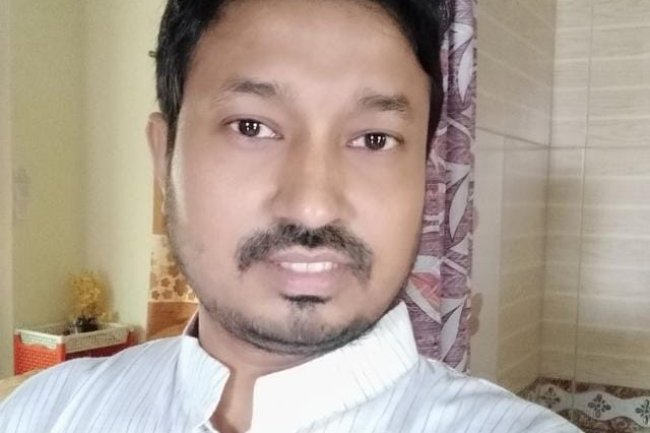
Dr. Md. Khairul Islam
Regional Director, WaterAid South Asia &
Former President, BUHN
Across various BUHN engagements, Dr. Md. Khairul Islam consistently underscored the urgency of addressing emerging urban health challenges and strengthening governance structures to ensure sustainable reforms. As Chief Guest and a central voice in multiple seminars and meetings, he drew attention to critical issues that required immediate policy and programmatic action.
He emphasized the rising threat of lead poisoning — particularly from sources such as battery-powered rickshaws — as a public health emergency that demanded rigorous research, rapid mitigation efforts, and evidence-based policymaking. He called for enhanced intersectoral collaboration to tackle the broader socio-economic “push–pull” dynamics driving rapid, and often unplanned, urban migration. This, he noted, was essential for creating healthier, more resilient urban environments.
Dr. Khairul Islam also highlighted the importance of the GP-based urban health model in the context of the upcoming Health Reform Commission report. He acknowledged ongoing challenges around implementing a strong digital referral system but stressed that collaborative efforts among government entities, NGOs, and development partners would be crucial for success — even though the model’s sustainability in the near term remained uncertain.
During discussions on the Health Sector Reform Commission’s forthcoming recommendations, he reiterated the need to rationalize urban health service models, ensure financial sustainability, and foster stronger stakeholder alignment. He emphasized that reforms should be both realistic and resilient, building on lessons from past initiatives.
In BUHN’s committee engagements, he urged revitalization of the network’s activities and highlighted that a more vibrant, visible, and engaged BUHN would encourage greater interest and support from funding agencies and partners. He advocated for adopting output- or result-based approaches in the next phase of BUHN’s work and stressed the importance of deeper NGO involvement in service delivery and procurement processes to strengthen urban health systems.
Overall, his message was clear: Bangladesh’s path to resilient and equitable urban health required evidence-driven action, bold collaboration across sectors, and a renewed commitment to sustainable reforms and strengthened governance.