Key Stakeholder Message: Hasanah Farhat
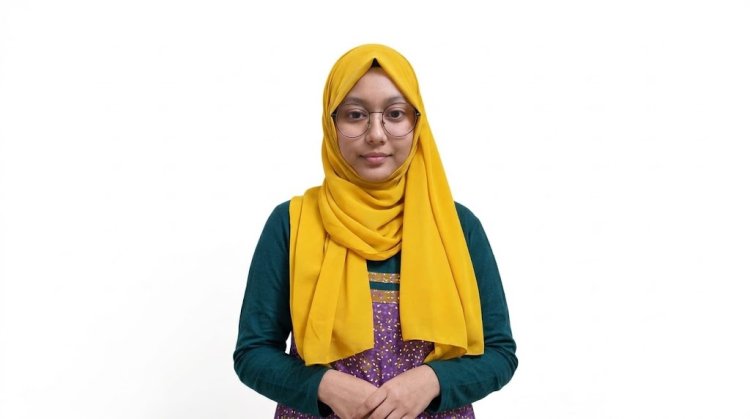
Hasanah Farhat
Department of Sociology
Bachelor of Social Science (BSS)
East West University
Urban Bangladesh Slum Dwellers’ Health Risks and the need for inclusive healthcare is an important matter of topic. A significant number of people in Bangladesh migrate to urban areas annually in search of a better way of life, but this journey is seldom accompanied by a better job, adequate housing or medical care. Poverty, lack of jobs and opportunities are reasons why many move from rural areas, and climate related hazards like floods and river erosion can cause the loss of homes, agricultural land and livelihoods.
But for many, it’s difficult to secure safe stable homes and they become residents of slum neighbourhoods. Many of them have to accept casual employment or only short term work, or they do not manage to find any employment at all. Limited and irregular income causes problems with housing, affordable nutritious food and health care. The Household Income and Expenditure Survey (HIES) 2022 data from the Bangladesh Bureau of Statistics (BBS) revealed that 14.7% of the urban population had incomes below the national poverty threshold.
Safe drinking water and sanitation are a significant health risk in slum communities. The people are more prone to diarrhoea, skin infections and other water borne diseases because of the conditions of the houses as they are overcrowded, people have to share the toilets and there are open drains in the houses, and also there is water logging. Water sources can become contaminated during flooding and stagnant water raises the risk of dengue. Also, poor ventilation and overcrowding of rooms can pose a risk of respiratory infections, particularly for children and elderly people.
These risks are exacerbated by poverty and lack of employment security. Street vendors, domestic workers, construction labourers, transport workers and day labourers without regular wages, with no sick leave, and no employment benefits are common among slum dwellers. Others are working as casual workers or on a part-time basis. Unpredictable incomes result in families having to decide between providing food, paying rent, and providing medical care. Delay in seeking medical care is often due to the costs of treatment, and the time spent away from work. This, in turn, can make minor illnesses more serious.
Another major concern is malnutrition, and mental distress. Families are forced to buy less nutritious, and more expensive, commodities that can limit children’s growth and adults’ work capacity. The lack of space in a home, homelessness, problems with finances, and uncertainty about the future can also cause stress, anxiety and emotional fatigue.
These challenges can only be addressed if they involve collaborative action by the government, health care providers, non-governmental organisations and community groups. Accessible primary healthcare, vaccination, maternal and child health services and community health education should go together with improvement of safe water, sanitation, drainage, waste management and affordable housing. Increased social protection and guaranteed livelihood are also relevant.
All people should have the opportunity to be healthy no matter where they reside. In addition to a lack of access to health care, slum conditions must be improved by addressing social inequality, unstable jobs, social conditions and poverty. All slum dwellers have the right to live with health and dignity, have chances to live with affordable health care and have safe living conditions.