Key Stakeholder Message: Dr. Esha Sanzida
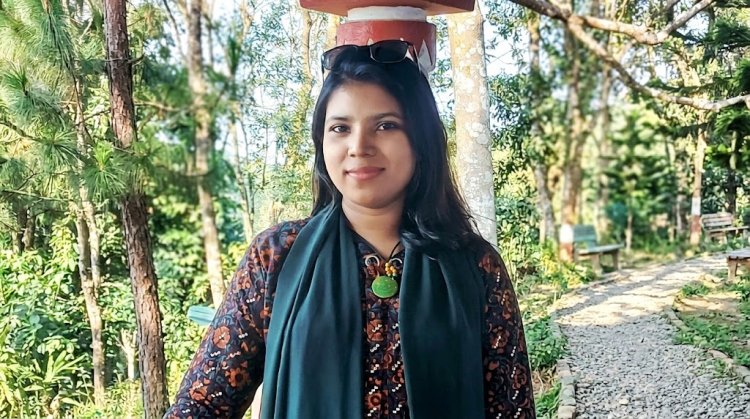
Dr. Esha Sanzida
Master of Public Health (MPH)
Department of Public Health
Independent University, Bangladesh (IUB)
Bangladesh's cities are growing rapidly, but this growth presents a significant public health challenge. The country is facing an increasing burden of non-communicable diseases (NCDs) alongside the impacts of climate change. For many urban residents, especially those in low- and middle-income communities, these two issues are closely interconnected. Climate change is not just an environmental concern; it has become an essential factor influencing health in urban areas and requires urgent action from policymakers, healthcare professionals, and city leaders.
In cities like Dhaka, the effects are becoming increasingly evident. Rising temperatures, prolonged heatwaves, poor air quality, and unpredictable rainfall not only threaten the environment but also exacerbate health risks associated with NCDs. For older adults and those with heart conditions, extreme heat can place additional stress on the cardiovascular system. Meanwhile, air pollution from vehicles, construction, and factories can worsen respiratory illnesses. The heat can discourage people from exercising, and climate-related disruptions can affect food supplies, making it harder to access nutritious meals. All these factors complicate the management of diabetes, hypertension, obesity, and other chronic diseases.
It's crucial to recognize that not everyone is affected equally. Low-income families, informal workers, and residents of crowded neighborhoods often lack the resources to protect themselves from extreme weather and health risks. They face limited green spaces, poor drainage systems, overcrowded housing, and unequal access to healthcare, which heightens their vulnerability. For many households, managing a chronic illness while dealing with climate-related disruptions adds significant financial, physical, and emotional strain.
As a graduate student in public health, I genuinely believe that protecting urban health in a changing climate requires a broader perspective to tackle these interconnected challenges, we need to build urban health systems that prioritize both climate resilience and equity. City planners should incorporate health considerations into their development strategies, focusing on expanding green spaces, improving waste management, reducing air pollution, and creating plans to address extreme heat. Healthcare facilities can contribute by enhancing NCD surveillance, ensuring the availability of essential medicines during climate-related emergencies, and providing guidance on how to protect against extreme heat and air pollution. Public health programs should aim to promote affordable healthy diets, provide safe opportunities for physical activity, and conduct community awareness initiatives. By integrating climate adaptation into urban health policies today, Bangladesh can create healthier, more inclusive, and resilient cities for future generations.