Measles Outbreak Spreads Across Bangladesh, Exposing Critical Immunization Gaps and Urban Health Vulnerabilities
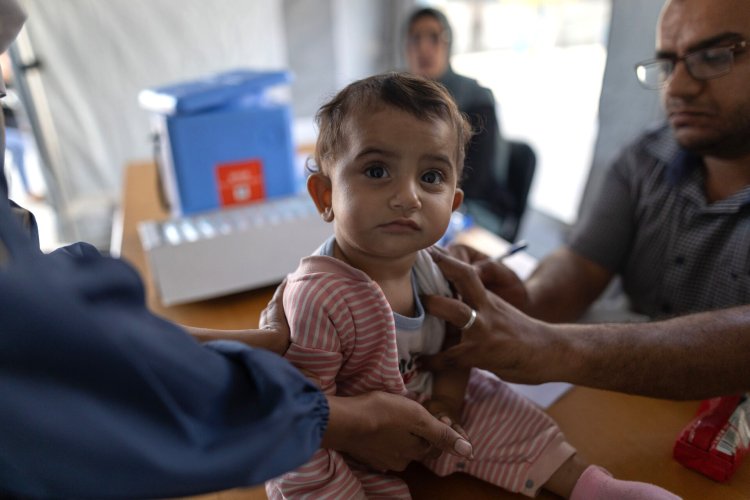
Bangladesh is facing a large-scale measles outbreak affecting 58 of 64 districts, raising serious public health concerns and exposing critical weaknesses in routine immunization coverage and urban health system resilience. According to a Disease Outbreak News report issued by the World Health Organization (WHO), the outbreak has resulted in more than 19,000 suspected cases, nearly 3,000 laboratory-confirmed infections, and 166 deaths, primarily among children under five years of age. The outbreak, first reported in early April 2026, has rapidly expanded across all eight divisions of the country, with the highest concentration of cases recorded in densely populated urban areas including Dhaka, Rajshahi, Chattogram, and Khulna. In Dhaka alone, infections are heavily clustered in informal settlements such as Mirpur, Kamrangirchar, Jatrabari, Korail, and Tejgaon, highlighting the intersection between urban poverty, overcrowding, and weak service coverage.
WHO has assessed the national risk level as high, citing widespread transmission, significant immunity gaps, and low vaccination coverage among affected populations. Children under five account for nearly 79% of reported cases, with a significant proportion being either unvaccinated or partially vaccinated. The outbreak has also affected infants too young to receive routine measles vaccination, further increasing vulnerability. In response, the Government of Bangladesh has launched a nationwide measles-rubella (MR) vaccination campaign targeting children aged 6–59 months, with emergency expansion in high-risk districts. Supplementary immunization activities, strengthened surveillance systems, and deployment of rapid response teams have been activated to contain transmission. Health authorities are also scaling up Vitamin A supplementation and hospital preparedness measures to reduce complications and mortality.
The outbreak underscores a reversal in Bangladesh’s long-standing progress toward measles elimination. Experts attribute the resurgence to a combination of declining immunization coverage, vaccine stockouts in recent years, and the absence of large-scale supplementary immunization campaigns since 2020. These gaps have contributed to a growing population of susceptible children, particularly in urban informal settlements where access to primary healthcare remains limited. From a health systems perspective, the crisis highlights persistent structural challenges in Bangladesh’s urban health governance, including fragmented service delivery between national and local authorities, inadequate surveillance in high-density settlements, and insufficient integration of private and NGO providers into national outbreak response systems.
For development partners and donors, the current outbreak represents both an urgent humanitarian concern and a critical systems warning. It reinforces the need for sustained investment in routine immunization strengthening, urban primary healthcare systems, digital surveillance platforms, and equity-focused health financing mechanisms. Without rapid corrective action, experts warn that continued transmission could undermine earlier gains in child survival and immunization coverage. WHO has emphasized that sustained vaccine coverage of at least 95%, combined with robust surveillance and rapid outbreak response capacity, is essential to prevent further spread and re-establishment of endemic transmission.
Source: World Health Organization (WHO) Disease Outbreak News:https://www.who.int/emergencies/disease-outbreak-news/item/2026-DON-measles-bangladesh