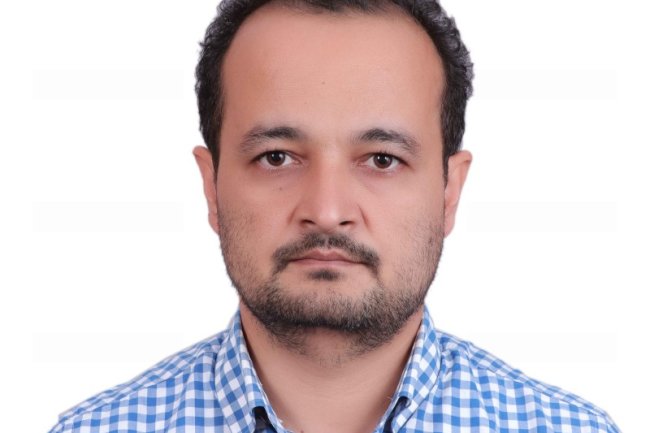
Key Stakeholders Message

Project Director, UPHCSDP-II & Joint Secretary, Local Government Division (LGD), MoLGRDC
Across multiple seminars and meetings of the Bangladesh Urban Health Network (BUHN), Khondoker Md. Nazmul Huda Shamim consistently emphasized the importance of institutional reform, strong leadership, and accountability — alongside improved coordination with city authorities and sustainable financing — to ensure the continuity and effectiveness of urban primary healthcare systems in Bangladesh.
Khondoker Md. Nazmul Huda Shamim emphasized that ensuring the sustainability of urban primary healthcare in Bangladesh requires strong leadership, institutional reform, and effective accountability mechanisms. He noted that urban health systems must move beyond project-based approaches and be embedded within formal government structures to ensure long-term continuity and impact. Strengthened coordination between the Local Government Division, city corporations, and health service providers is essential to reduce fragmentation and improve service delivery for rapidly growing urban populations.
Drawing on the experience of the Urban Primary Health Care Services Delivery Project–Phase II (UPHCSDP-II), he highlighted the project’s significant contribution to expanding affordable and accessible healthcare for urban poor communities, particularly during the COVID-19 pandemic. At the same time, he acknowledged ongoing challenges, including gaps in geographic coverage, shortages of qualified doctors, high workload pressures, and uncertainty around financing.
Mr. Shamim stressed that the ease of accessing doctors in urban areas, while beneficial for patients, places considerable strain on the health system, underscoring the need for better referral mechanisms and integrated service delivery. He advocated for the adoption of digital health records and standardized acceptance of diagnostic reports to improve efficiency, continuity of care, and data-driven decision-making.
Looking ahead, he recommended securing regular budget allocations, expanding the scope of urban primary healthcare services, recruiting and retaining permanent health staff, and developing sustainable urban health models with continued support from development partners such as the Asian Development Bank (ADB). These measures, he concluded, are critical to ensuring equitable, resilient, and people-centered urban healthcare for Bangladesh’s growing cities.