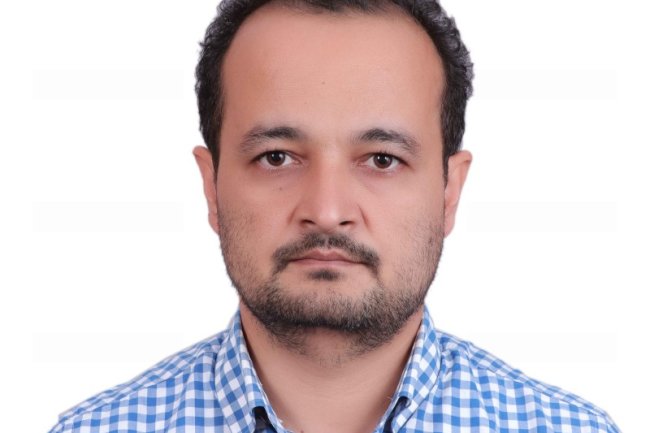
The Story of Dr. Maliha Khan Majlish

I am Dr. Maliha Khan Majlish, currently serving as the Senior Technical and Development Officer at Eminence Associates for Social Development and as a Project Associate for the Bangladesh Urban Health Network (BUHN). With a Bachelor of Dental Surgery (BDS) from Shaheed Suhrawardy Medical College and Hospital and a Master of Public Health (MPH) from National Institute of Preventive and Social Medicine (NIPSOM), my passion lies in public health, particularly urban health. Through residing and workplace experiences in a megacity as Dhaka, Bangladesh, I am keen to discuss urban health issues within both the local and global contexts.
Urban health in Bangladesh faces significant challenges that align with global trends, especially in rapidly urbanizing areas. As cities like Dhaka expand, non-communicable diseases (NCDs) such as cardiovascular diseases, diabetes, and respiratory conditions are on the rise, driven by lifestyle changes, poor air quality, and overcrowded living conditions. The dense population and inadequate infrastructure in Dhaka exacerbate environmental issues, particularly air and water pollution, which disproportionately affect vulnerable populations like children and the elderly. Air pollution, particularly high levels of PM2.5, frequently exceeds WHO guidelines and poses a severe public health risk.
Moreover, urban health disparities are widened by limited access to healthcare, especially for low-income residents living in slums or informal settlements. Poor sanitation, lack of clean water, and the spread of infectious diseases like dengue fever are exacerbated by inadequate waste management. Additionally, mental health is becoming a growing concern in urban centers due to stress from overcrowding, pollution, and economic challenges, with marginalized groups particularly affected. The lack of mental health services and persistent social stigma further worsen the situation.
Globally, integrated approaches to urban health focus on addressing the social determinants of health, improving healthcare access, and promoting healthy urban planning. Bangladesh has made efforts to align with global frameworks like the UN's Sustainable Development Goals (SDGs) and WHO’s Healthy Cities initiative. However, challenges such as limited financial resources, weak policy implementation, and lack of coordination remain. To tackle these issues, smarter urbanization, improved air quality, and public-private partnerships are essential. A multi-level, integrated approach is crucial for improving urban health outcomes in Bangladesh.