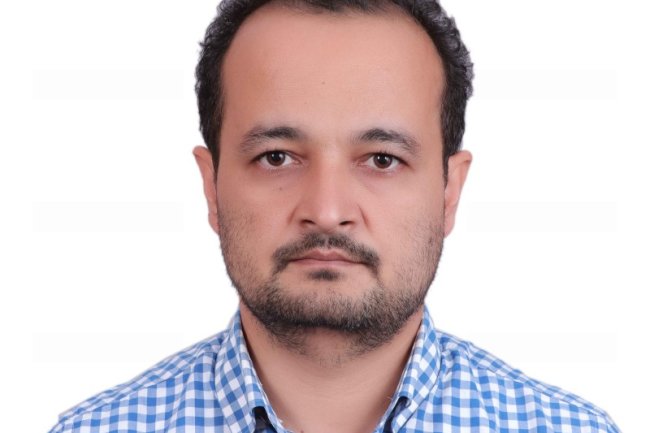
The Story of Muhammad Mahtabuddin

For the last few decades, South Asian cities have been growing rapidly. These cities are expanding, encroaching on nearby rural areas, water bodies, and crop fields, causing havoc to the natural ways of life.
Urbanisation has led to the destruction of natural habitats, loss of biodiversity, and increased greenhouse gas emissions. The transformation of green spaces into concrete jungles has also intensified the urban heat island effect, causing cities to become hotter and worsening health problems related to heat stress.
Urban Bangladesh, especially bustling megacities like Dhaka, faces several health-related challenges due to rapid and often unplanned urbanisation. High levels of air pollution in our urban areas contribute to respiratory diseases and other health problems, while poor water quality and inadequate sanitation facilities lead to waterborne diseases. Poor waste management is a significant issue, as inefficient waste management systems result in environmental contamination and health risks.
Overcrowded living conditions and slum areas in our urban settings are associated with substandard housing and increased health risks. The relentless noise, dense populations, and high-stress environment are leading to anxiety, depression, and other mental health concerns. Furthermore, limited access to healthcare exacerbates these problems. We need to address these issues to improve our quality of life and ensure a better future for the next generation.
While experts are talking about creating more green spaces and enhancing mental health services to help alleviate some of these issues, involving communities in urban planning and decision-making is essential to achieve any sort of goals there. By empowering residents to express their concerns and take part in the development of their neighbourhoods, we can achieve more inclusive and sustainable urban growth.
We need to speak of the critical health-related issues arising from rapid urbanisation in Bangladesh. Through collaboration and innovative outreach efforts, and by fostering effective communication strategies, raising awareness, engaging stakeholders, and advocating for sustainable health solutions, we will be to improve public health outcomes and enhance the well-being of urban communities in our rapidly growing cities.
Implementing effective communication strategies and tools can be instrumental in tackling the challenges posed by rapid and unplanned urbanisation. Only the conscious citizens will understand and be accommodating in combating the problems. To raise awareness among the people, Public Campaigns and Educational Programs will be vital.
Using the traditional media tools, platforms, and new media consecutively to educate the public about the adverse effects of unplanned urbanisation and the importance of sustainable practices can be more effective.
By consistently writing and publishing articles on these issues across various platforms—such as media outlets, social media, blogs, and even billboards—we can effectively educate and inform the masses. To maximise the impact of this approach, the Bangladesh Urban Health Network (BUHN) consistently writes and publishes informative articles on various topics related to urbanisation, health issues stemming from unplanned urbanisation, and urban life in Bangladesh. We believe that these news articles are effectively raising awareness among the people of Bangladesh by enlightening them with new findings, statistics, theories, and formulas. We are looking forward to learning your insight.
Muhammad Mahtabuddin, Communication Manager, Eminence Associates for Social Development