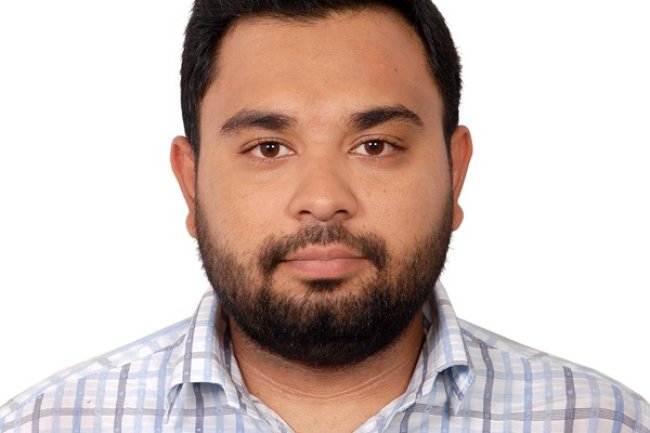
Key Stakeholders Message

Dr. Margub Aref Jahangir
Health Specialist (Urban), Health Section
UNICEF Bangladesh
Across multiple national dialogues, seminars, and policy discussions of Bangladesh Urban Health Network (BUHN), Dr. Margub Aref Jahangir repeatedly underscored that Bangladesh’s rapid urbanization had created both urgent challenges and meaningful opportunities for improving equitable health outcomes. Throughout these engagements, he consistently advocated for a people-centered urban health system grounded in equity, accountability, and collaborative action.
He emphasized that health was a fundamental right, not a privilege, and called for stronger governance to ensure that every child, mother, and family — especially those who were poor or vulnerable — could access safe, affordable, and quality care. Recognizing that the private sector provided nearly 60% of urban health services, he stressed the importance of transparent and accountable public-private partnerships. He frequently referred to the Aalo Clinic model as an example of how effective collaboration could bridge persistent service-delivery gaps.
Dr. Jahangir also highlighted critical reform areas:
- Ensuring equitable access to medicines, framing it as both a health and social justice issue.
- Advancing digital transformation to address fragmentation and promote ethical, inclusive scaling of digital health solutions.
- Reducing out-of-pocket payments for low-income urban populations through unified governance and improved health financing.
- Addressing urban health and nutrition challenges linked to overcrowding, inadequate WASH services, and environmental and climate-related vulnerabilities.
- Strengthening GP and referral systems to improve continuity and quality of care in urban settings.
Across all his engagements, he called for cross-sectoral collaboration, collective ownership, and evidence-driven policymaking. His messages consistently reinforced that building an equitable and resilient urban health system required integrated solutions and sustained national commitment to ensuring that no one was left behind.