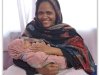
Empowering the Future: Strengthening Adolescent Health in Bangladesh

Bangladesh is home to 32.9 million adolescents, making up over 20% of the national population. This dynamic age group holds the promise of progress, innovation, and leadership. But their journey is often obstructed by child marriage, early pregnancy, limited autonomy, and inadequate access to sexual and reproductive health (SRH) services. Despite the country’s strong policy commitments to international frameworks like the CRC, ICPD, and the Sustainable Development Goals (SDGs), the harsh reality is that millions of adolescents, especially girls, remain underserved and vulnerable to preventable health and social challenges.
The Ongoing Crisis: Child Marriage and Teenage Pregnancy
With 51% of women aged 20–24 married before 18, and 13 million girls married before 15, Bangladesh continues to grapple with one of the highest child marriage rates in the world. The result? A staggering adolescent fertility rate of 92 births per 1,000 girls aged 15–19, well above the South Asian average.
These early pregnancies are not just social issues, they are life-threatening. Complications during pregnancy and childbirth are the leading cause of death for girls aged 15–19 globally. In Bangladesh, young mothers are more likely to suffer from anemia, malnutrition, and depression, reinforcing cycles of poverty and poor health.
A Missed Opportunity: The HPV Vaccine
In 2023, Bangladesh introduced the HPV vaccine into the national immunization program with support from Gavi. This vaccine is a proven tool to prevent cervical cancer, which kills thousands of women annually. Yet HPV coverage remains below 30% in many rural areas, putting countless girls at risk of a preventable disease.
Why Empowering Adolescents is Non-Negotiable
Access to SRH information is still limited, and adolescents—particularly girls—often lack the autonomy to make informed health decisions. But research and real-world experience tell us one thing: When adolescents are informed and empowered, they lead the change.
Global partners like UNICEF, WHO, the Embassy of Sweden, UNFPA, and the ADB are advocating for youth-led, community-based models of health intervention. These models focus on education, leadership, digital engagement, and peer-to-peer support, with proven success in improving knowledge, attitudes, and behaviors.
The Way Forward: Key Initiatives That Must Be Taken
To move from policy to progress, Bangladesh must invest in evidence-based, inclusive, and youth-led solutions. Here’s what needs to happen:
Prevent Child Marriage and Teenage Pregnancy-Expand peer-led awareness programs in schools and communities; Engage parents, teachers, and religious leaders in changing harmful norms; Provide adolescent girls with life skills and safe spaces to grow and learn; Develop effective tracking and referral systems for at-risk girls.
Increase HPV Vaccination Coverage-Launch targeted awareness campaigns, especially in underserved areas; Train health workers and school personnel on HPV vaccine delivery and safety; Integrate HPV promotion into existing school health programs; Ensure vaccine availability and access in both urban and rural clinics.
Empower Adolescents as Leaders and Advocates-Strengthen and fund youth-led organizations to lead SRHR outreach; Include adolescents in national and local health policy discussions; Support digital literacy and advocacy using existing platforms of youth; Establish mentorship and leadership programs for adolescent girls and boys.
Improve Cross-Sectoral Coordination-Activate and support Adolescent Health Coordination Committees (AHCCs); Ensure ministries (Health, Education, Women & Children Affairs, Youth) work collaboratively; Create a unified digital and referral system linking schools, clinics, and youth networks; Allocate budget lines specifically for adolescent health within sectoral plans
Strengthen Community Health Systems-Expand adolescent-friendly health services in community clinics; Train health workers in youth-sensitive counseling and care; Involve local stakeholders (Community Groups, Support Groups, SMCs) in service delivery
Let’s Turn Challenges into Opportunities
Adolescents in Bangladesh are not just the leaders of tomorrow, they are the changemakers of today. By investing in their health, rights, and leadership, we’re not just protecting lives, we’re building a healthier, more inclusive, and more equitable future.
-It's time to act.
-It's time to empower.
-It's time to transform adolescent health from a challenge into an opportunity.
References:
1.https://bbs.portal.gov.bd/sites/default/files/files/bbs.portal.gov.bd/page/b343a8b4_956b_45ca_872f_4cf9b2f1a6e0/2024-01-31-15-51-b53c55dd692233ae401ba013060b9cbb.pdf| |2. https://www.who.int/health-topics/adolescent-health#tab=tab_1| |3. https://www.unicef.org/child-rights-convention| |4. https://www.who.int/news-room/events/detail/2023/09/05/default-calendar/30th-anniversary-of-the-international-conference-on-population-and-development| |5. https://www.un.org/sustainabledevelopment/sustainable-development-goals/| |6. https://openknowledge.worldbank.org/server/api/core/bitstreams/6a04abae-03fa-4335-b12e-804528a3a048/content| |7.https://www.unicef.org/bangladesh/media/4526/file/Bangladesh%20Child%20Marriage%20report%202020.pdf.pdf| | 8. https://dhsprogram.com/pubs/pdf/PR148/PR148.pdf| |9. https://www.who.int/news/item/23-04-2025-who-releases-new-guideline-to-prevent-adolescent-pregnancies-and-improve-girls—health| |10.https://www.unicef.org/bangladesh/sites/unicef.org.bangladesh/files/2018-10/National-Strategy-for-Adolescent-Health-2017-2030.pdf| |11.https://www.adb.org/sites/default/files/project-documents/57178/57178-001-tar-en.pdf| | 12.https://www.unicef.org/bangladesh/en/press-releases/nearly-half-million-children-bangladesh-miss-full-immunization| |13.https://dghs.portal.gov.bd/sites/default/files/files/dghs.portal.gov.bd/page/89ec4dc4_5a8b_4a1f_8bf9_8a4431bd7db5/2025-04-10-08-20-f3c8e962644729be9c324703b7aa1757.docx| |14.https://heu.portal.gov.bd/sites/default/files/files/heu.portal.gov.bd/page/9a062372_2414_4cb0_82cc_f26ef57754aa/2022-06-06-13-41-1c7c64c71a3e6576648cefb4a890502c.pdf| |15.https://wcaro.unfpa.org/sites/default/files/pub-pdf/EN-UNFPA-WCARO-MUSKOKA-AYSRHR-Brochure-WEB-1.pdf| |16.https://stage-adolescent-health.dnet.org.bd/uploads/policy_guideline/1614767588_National_Plan_of_Action_for_Adolescent_Health_Strategy_2017-2030_Final.pdf