The "New Frontier" of Vector-Borne Diseases: Post-Election Accountability
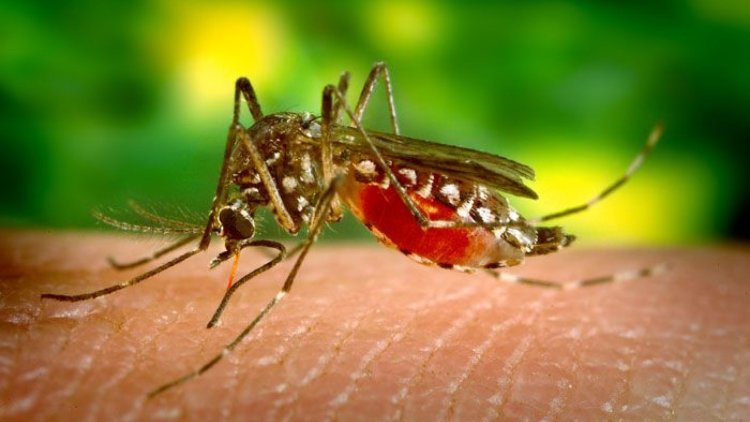
The month of February 2026 marked a pivotal shift in the national health discourse as the post-election transition coincided with a significant surge in mosquito infestations across major metropolitan areas. Following the February 12 general election, the newly appointed Health Minister signaled a "zero-tolerance" approach toward administrative negligence during an emergency inspection of mosquito control operations in Dhaka on February 25. For BUHN, this moment represents a critical window for advocacy. The "Mosquito Menace" is no longer a seasonal inconvenience but a year-round urban health crisis driven by unplanned urbanization and poor waste management.
NGOs emphasize that "urgent measures" must go beyond temporary fogging and surface-level cleaning. Our network continues to advocate for an Integrated Vector Management (IVM) strategy that involves community-led surveillance in high-risk urban slums. As the Minister promises a revitalized healthcare agenda, calling for a unified urban health authority that bridges the gap between the Ministry of Health and the City Corporations. The focus must remain on institutionalizing larval control and public awareness campaigns before the monsoon season arrives, ensuring that the health security of the urban poor is not sidelined during the political restructuring of the new government.
Breathless in Dhaka: Addressing the Hazardous Air Quality Crisis
Parallel to the vector crisis, Dhaka’s residents faced a staggering environmental health emergency throughout February, as the Air Quality Index (AQI) frequently breached "hazardous" levels. For several mornings this month, Dhaka was ranked as the most polluted city globally, as a direct threat to the Universal Health Coverage (UHC) goals of Bangladesh. This "silent killer" disproportionately impacts the urban workforce and children living in dense, unventilated settlements, leading to a visible spike in respiratory ailments and cardiovascular complications in city hospitals.
In response to this crisis, NGOs are intensifying its call for the integration of environmental health into the primary healthcare (PHC) framework. The extreme pollution levels witnessed in February highlight the urgent need for a "Health in All Policies" approach, as outlined in the newly approved National Urban Development Policy (NUDP) 2025. BUHN’s position is clear: managing an air quality crisis requires more than just clinical response; it demands strict enforcement of industrial emission standards and a transition toward green urban planning. As we move forward into 2026, the network will continue to provide a platform for experts to link environmental data with urban health outcomes, urging the new administration to treat air pollution as a public health emergency rather than a purely environmental one.