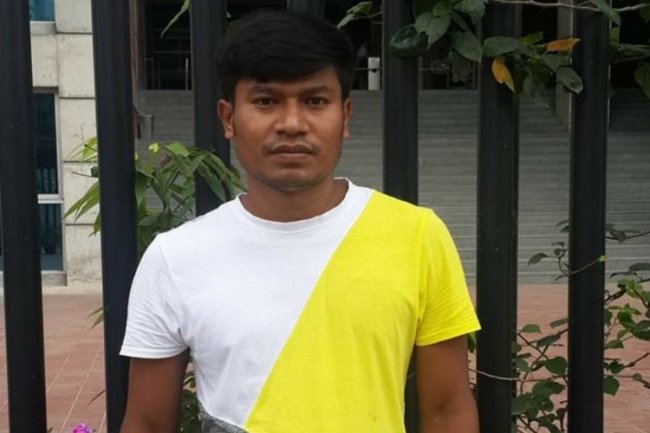
The Story of Md. Wahiduzzaman

As the Urban Health Officer at Eminence Associates for Social Development and a Project Assistant for the Bangladesh Urban Health Network (BUHN), I, Md. Wahiduzzaman, am deeply committed to addressing the significant health challenges stemming from rapid urbanization in Bangladesh, particularly in megacities like Dhaka. My academic background in Public Health and Informatics from Jahangirnagar University fuels my enthusiasm for public health research, with a keen focus on urban health issues.
The rapid population growth and economic development in urban areas have led to deteriorating air quality, characterized by high levels of pollution from vehicular emissions, industrial discharges, and construction activities. Dhaka is consistently ranked among the world’s most polluted cities, which has resulted in a surge of respiratory diseases, cardiovascular conditions, and premature deaths. This pressing issue necessitates robust advocacy for policies that aim to reduce emissions and promote cleaner energy alternatives. Additionally, the high population density in urban areas facilitates the spread of infectious diseases such as dengue fever, cholera, and tuberculosis, exacerbated by inadequate sanitation facilities and limited access to clean water. The mental health of urban residents is also at risk due to the pressures of urban living, including overcrowding, unemployment, and social isolation, which contribute to rising rates of stress, anxiety, and depression, especially among youth.
Despite the growing need, mental health services remain limited, highlighting the urgent requirement for increased investment in mental health programs and community support initiatives. Furthermore, the rising prevalence of non-communicable diseases (NCDs), including diabetes, hypertension, and obesity, is linked to sedentary lifestyles and unhealthy diets, necessitating comprehensive health promotion strategies. Access to quality healthcare remains a significant challenge, particularly for marginalized populations facing disparities in availability and affordability of services.
To effectively tackle these urban health challenges, collaborative efforts among government agencies, NGOs, healthcare providers, and community organizations are essential. By prioritizing urban health, enhancing community engagement, and strengthening healthcare infrastructure, we can create healthier urban environments that support the well-being of all residents in Bangladesh. Urgent attention and action are required to address these issues, ensuring a healthier future for our communities.