Key Stakeholder Message: Md Shahazin Rhaman Mayen
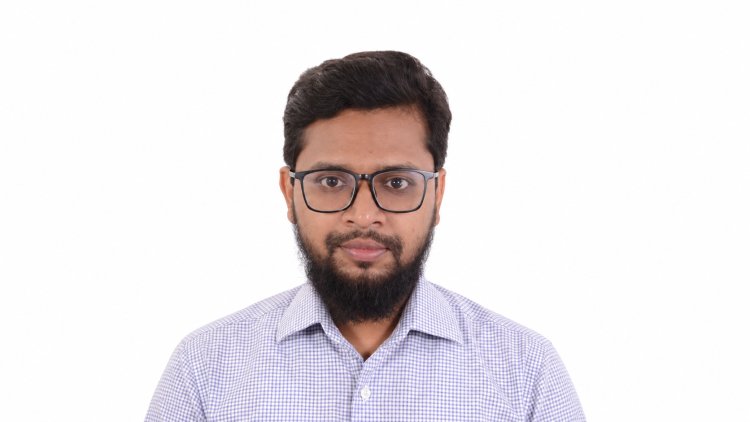
Md Shahazin Rhaman Mayen
Professional Masters in Disaster Management
Department of Disaster Management
University of Dhaka
Dengue has become a major public health challenge in Bangladesh, particularly in Dhaka and other rapidly growing cities. According to the Directorate General of Health Services (DGHS), the country recorded 97,082 dengue cases requiring hospitalization and 299 deaths between 1 January and 10 October 2026. September was particularly deadly, with 148 reported deaths, compared with 43 in August.
In 2025, Bangladesh recorded 102,861 cases and 413 deaths. These figures highlight the urgent need for effective and long-term dengue prevention.Although dengue spreads through the bite of infected Aedes mosquitoes, its transmission is closely linked to urbanisation, environmental conditions, and population health. Rapid urbanisation has brought more people into cities in search of jobs, education, and better living conditions. However, urban growth has not always been accompanied by adequate drainage, waste management, sanitation, and healthcare facilities. Stagnant water in blocked drains, discarded plastic containers, construction sites, and uncovered water tanks creates suitable breeding grounds for mosquitoes. In densely populated neighbourhoods, controlling these breeding sites can be particularly difficult.Changing weather patterns may further increase the risk. Heavy rainfall can create new breeding sites, while warmer temperatures can influence mosquito development and dengue transmission. However, climate is only part of the problem. Poor urban planning, inadequate sanitation, and irregular mosquito-control activities also contribute to outbreaks. Population movement and the expansion of urban settlements can make disease surveillance and prevention more challenging. As dengue continues to affect communities beyond Dhaka, it has become a wider national public health concern.The effects of dengue extend beyond illness and hospital visits. Families often face medical expenses, lost income, and emotional stress when a member becomes seriously ill. Daily wage earners may struggle financially when illness prevents them from working. Low-income communities can be particularly vulnerable because of overcrowded housing, poor sanitation, and limited access to healthcare. During major outbreaks, hospitals also face additional pressure on beds, medical staff, and diagnostic services.In October 2026, Reuters reported that Bangladesh was considering clinical trials of a dengue vaccine. Health officials also highlighted concerns about the circulation of all four dengue virus serotypes, which can increase the risk of severe illness during subsequent infections. However, vaccine trials require appropriate regulatory approval, and vaccination cannot replace mosquito control and other preventive measures.City authorities should improve drainage, ensure regular waste collection, monitor construction sites, and remove stagnant water from public spaces. Residents can help by covering water-storage containers, cleaning them regularly, and removing discarded items that collect rainwater. Anyone who suspects dengue should seek medical advice. Warning signs such as severe abdominal pain, persistent vomiting, and bleeding require urgent medical attention.However, prevention cannot be the responsibility of individuals alone. Government agencies, city corporations, healthcare providers, and communities must work together. Authorities should strengthen disease surveillance, identify high-risk neighbourhoods, and use weather information and health data to respond quickly to outbreaks. Public health must also become an essential part of urban planning, ensuring that new housing, roads, and drainage systems support healthier living conditions. Dengue is not simply a seasonal disease; it also reflects the challenges Bangladesh faces in managing rapid urbanisation. Cleaner neighbourhoods, better infrastructure, accessible healthcare, and year-round prevention are essential. Rather than waiting for cases to rise, Bangladesh must address the conditions that allow mosquitoes to breed and disease to spread. Protecting people from dengue begins not only in hospitals but also in our homes, streets, neighbourhoods, and the way we build our cities.